

Scan Me on Instagram 📸
A sustainable solution for packing and gifting.
Embracing sustainability in packing and Gifting: A path to responsible consumption
In a world where environmental concerns are at the forefront of societal consciousness, the need for sustainable solutions in all aspects of life, including packaging and gifting, has become increasingly paramount. Traditional packaging materials such as plastic and non-recyclable wrapping paper contribute significantly to pollution and environmental degradation. However, by embracing sustainable alternatives, we can minimize our ecological footprint while still delighting recipients with thoughtful and aesthetically pleasing gifts. In ancient India, sustainable wrapping methods were prevalent due to the availability of natural materials and a culture that valued resourcefulness and frugality. While specific historical records detailing wrapping practices may be limited, we can infer certain sustainable wrapping techniques based on ancient texts, cultural traditions, and archaeological evidence.
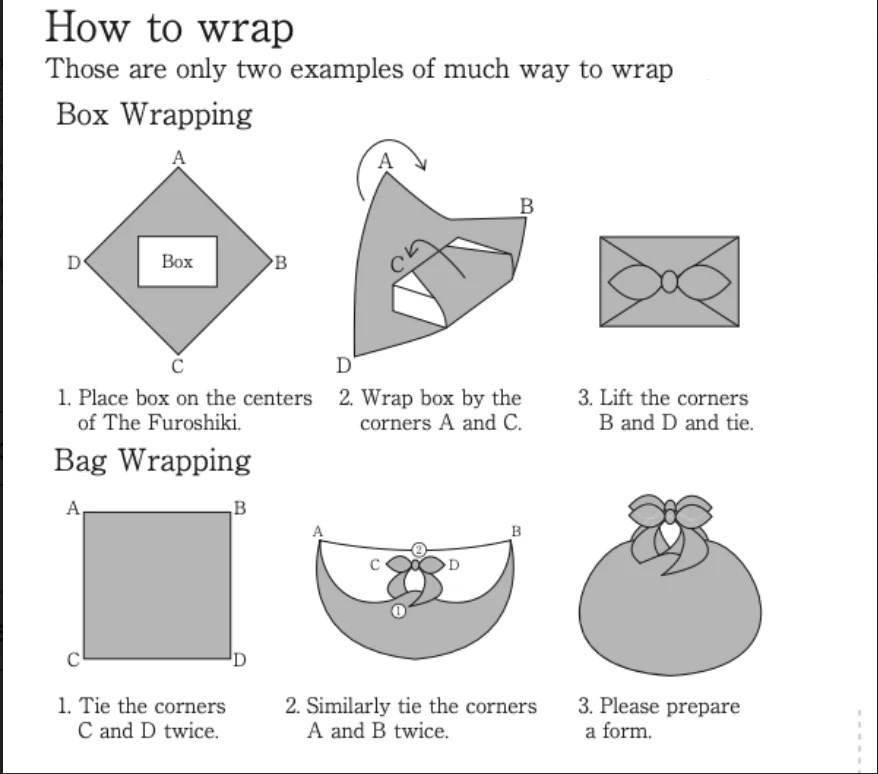
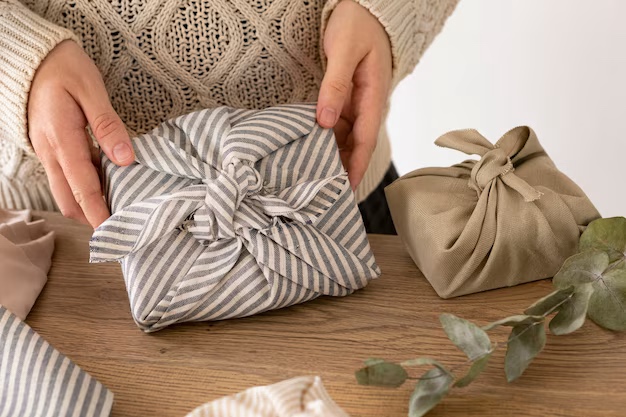
Cloth was a commonly used material for wrapping and packaging items in ancient India. Fabrics such as cotton, silk, and jute were readily available and easily accessible, making them ideal for wrapping various goods, including gifts, food, and personal belongings. Cloth wrapping allowed for easy reuse and versatility, as the same piece of fabric could be used repeatedly for different purposes. Fabric, particularly cotton and silk, was extensively used for wrapping items such as clothing, food, and other goods. Different types of cloth were employed based on availability, affordability, and intended use. Cloth wrapping served not only as a means of protection and transport but also as a way to adorn and beautify objects.
.jpeg)